November 24, 2026
A beautiful garden offers more than colorful flowers and attractive greenery. The most inviting outdoor spaces engage the senses through a combination of natural textures, changing colors, pleasant sounds, and thoughtful design elements. Water features bring these qualities together by introducing movement and creating a relaxing atmosphere that complements the surrounding landscape.
From fountains to ponds and cascading waterfalls, water features create inviting garden focal points while adding movement and seasonal interest. Across Nassau and Suffolk counties, professional garden design services help homeowners incorporate water elements that complement their landscapes and create peaceful, welcoming outdoor spaces.
Creating Movement Through Flowing Water
One of the most distinctive qualities of a water feature is its ability to introduce continuous movement into an otherwise stationary landscape. Plants, stone pathways, and garden structures provide visual interest, but flowing water adds another dimension that changes throughout the day.
A fountain can create gentle movement as water rises and falls into a basin. A waterfall introduces a more dramatic effect as water travels over carefully arranged stones. Even a small bubbling feature can bring energy to a quiet garden corner.
These design elements can also influence how people experience an outdoor space. Moving water naturally draws attention, encouraging visitors to pause and appreciate the surrounding plants and materials.
Professional garden design services can help determine where a water feature will have the greatest impact. Placement near a patio, seating area, or garden entrance can make the feature an attractive part of everyday outdoor living without overwhelming the rest of the landscape.
Adding Texture Through Natural Materials
Water features introduce opportunities to combine different textures within a garden. Smooth water surfaces contrast with rough stone, textured concrete, decorative gravel, and surrounding foliage. These differences create depth and help individual landscape elements stand out.
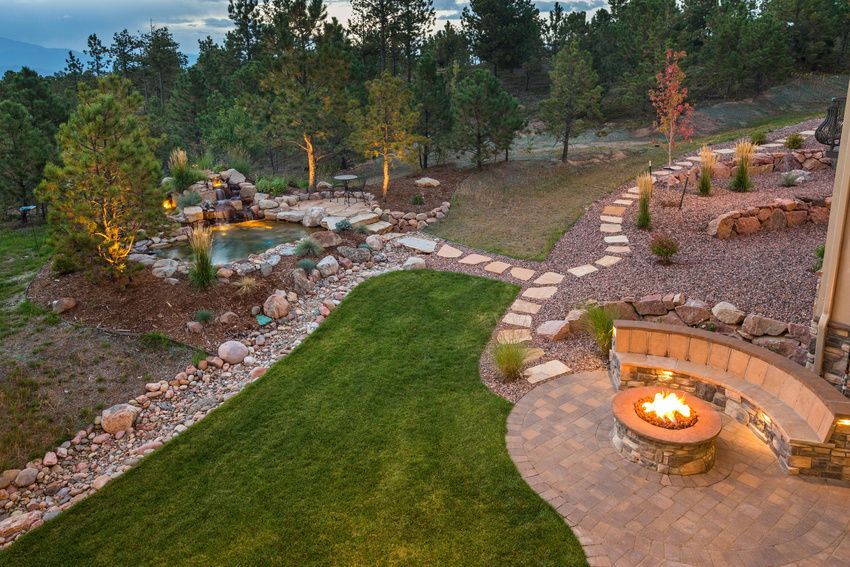
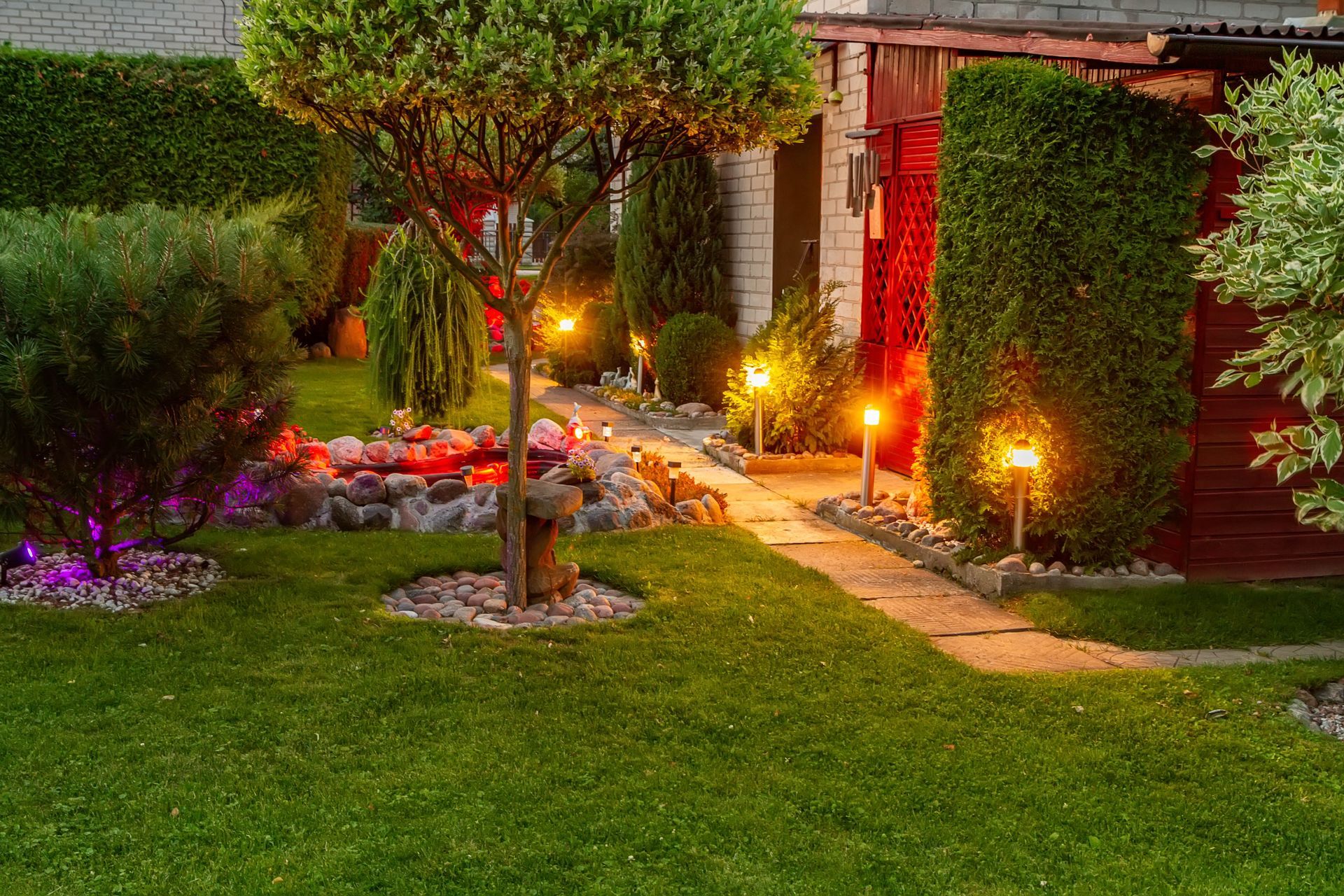
Natural stone is especially useful for creating visually interesting water features. Large boulders can provide a substantial foundation for cascading water, while smaller river rocks can soften the edges of a pond or fountain. Their varied shapes and colors also help water features blend with surrounding plantings.
Other materials can create different design effects. Metal fountains may introduce a contemporary appearance, while natural stone basins often complement traditional gardens. The choice depends on the property's architecture, existing landscape materials, and the atmosphere homeowners want to establish.
Combining several textures helps prevent outdoor spaces from appearing flat or overly uniform. Water provides a connecting element that brings these materials together while maintaining a natural visual flow.
Establishing a Garden Focal Point
A well-placed water feature can serve as the centerpiece of a garden. Rather than allowing individual plants and decorative elements to compete for attention, a focal point gives the landscape a clear visual destination.
For example, a fountain positioned near the center of a formal garden can create a balanced arrangement around surrounding flower beds and pathways. A pond tucked into a landscaped corner can provide a quieter focal point framed by ornamental grasses, shrubs, and flowering plants.
Scale is an important consideration when selecting a feature. A large waterfall may overwhelm a compact backyard, while a small fountain might appear insignificant in an expansive landscape. The feature should complement the available space and maintain appropriate proportions.
Professional garden design services consider sightlines, surrounding structures, and the relationship between different outdoor areas when planning focal points. This helps ensure the water feature feels connected to the overall landscape rather than appearing like a separate addition.
Complementing Water Features With Plantings
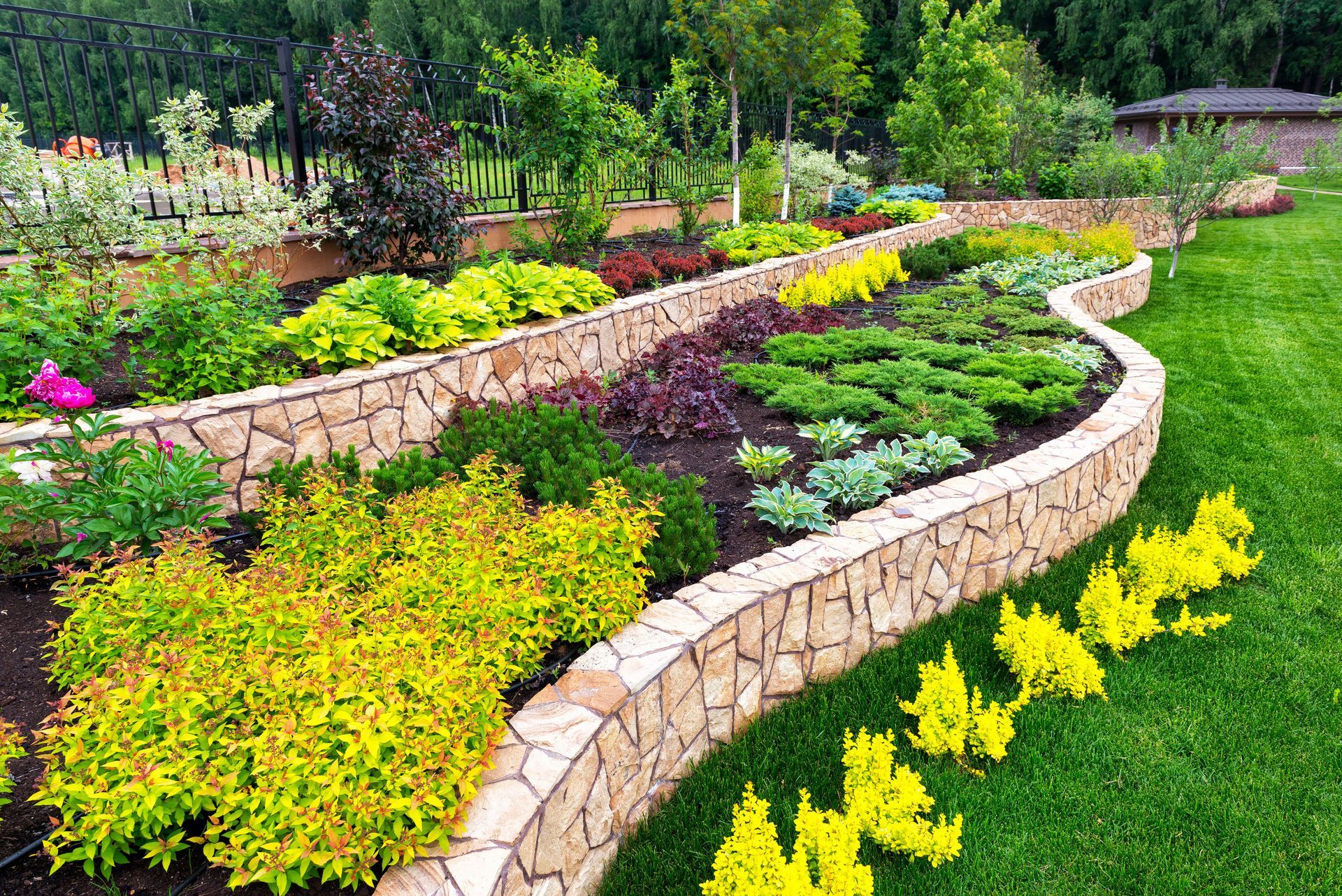
Plants play an important role in making water features feel integrated into their surroundings. Their colors, shapes, and textures soften hard surfaces while creating a natural transition between water and the rest of the garden.
Ornamental grasses can add movement around a pond or fountain as they respond to passing breezes. Ferns and other shade-tolerant plants may complement areas with limited direct sunlight, while flowering perennials can introduce seasonal color near suitable water features.
Plant selection should account for sunlight, soil conditions, moisture levels, and the mature size of each variety. Plants positioned too close to a water feature may drop leaves or flowers into the water, potentially increasing maintenance requirements.
Homeowners in Long Island communities also benefit from considering seasonal changes. Spring bulbs and flowering perennials can brighten the landscape after winter, while ornamental grasses and evergreen shrubs help maintain visual interest during colder months.
A thoughtful combination of plantings and water creates a layered appearance that changes throughout the growing season. The result is an outdoor environment that feels connected to its natural surroundings.
Enhancing Outdoor Living Areas
Water features can make patios, seating areas, and other outdoor gathering spaces feel more inviting. The sound of flowing water provides a relaxing background that can soften nearby traffic noise and other everyday distractions.
A small fountain near an outdoor dining area can create a pleasant atmosphere without taking up substantial space. Larger properties may accommodate a pond or waterfall near a dedicated seating area, providing a destination for quiet relaxation.
Placement matters when incorporating water features into spaces used for entertaining. Homeowners should consider visibility, accessibility, surrounding walkways, and the amount of sound the feature produces. A gentle bubbling fountain may suit a conversation area better than a louder cascading waterfall.
With carefully planned garden design services, water features can complement outdoor kitchens, patios, walkways, and other landscape elements. Coordinating these features creates a more cohesive environment where different areas serve distinct purposes while maintaining a consistent appearance.
Choosing Features for Seasonal Conditions
Outdoor water features must account for local weather patterns, particularly in areas that experience changing temperatures throughout the year. Nassau and Suffolk counties have distinct seasons, with warm summers, colorful autumns, cold winters, and occasional periods of freezing weather.
These conditions influence which water features are appropriate and how they'll need to be maintained. Permanent ponds, fountains, and waterfalls require suitable materials and systems that can accommodate seasonal temperature changes.
Winter preparation is especially important. Freezing temperatures can affect pumps, pipes, basins, and other water feature components. Depending on the system, seasonal care may involve draining equipment, protecting vulnerable components, or following manufacturer recommendations for winter operation.
Spring also provides an opportunity to inspect water features after winter. Checking the condition of pumps, circulation systems, and surrounding materials helps identify maintenance needs before the warmer months encourage more frequent outdoor use.
A landscape professional can help homeowners select features that account for local conditions and the property's specific layout. This planning supports a more dependable installation while helping the water feature remain an attractive part of the garden.
Maintaining Clean and Functional Water Features
Regular maintenance helps preserve the appearance and performance of outdoor water features. Water circulation, filtration, and proper cleaning all contribute to a system that operates smoothly.
Over time, leaves, dirt, algae, and other debris can accumulate in fountains and ponds. These materials may affect water clarity, interfere with circulation, or contribute to unpleasant odors if they're not addressed. Surrounding trees and plants can influence how frequently cleaning is needed.
Seasonal maintenance is particularly important for systems that operate throughout the warmer months. According to This Old House, draining a water feature twice annually, once in spring and again in fall, can help keep its system clean and running smoothly.
Water feature maintenance depends on the system's design and equipment. Professional garden design services help homeowners select and maintain fountains, ponds, and waterfalls that complement surrounding landscapes. Proper placement, material selection, and seasonal care support reliable operation while adding movement, texture, and lasting visual interest to outdoor spaces.
For homeowners throughout Nassau, Suffolk, and surrounding New York counties, TMF Landscape Design can help transform outdoor spaces with thoughtfully planned landscapes and water features that bring lasting beauty and character to the property. Contact the team today to discuss your landscape vision and explore the possibilities for your garden.