August 16, 2026
A thriving yard is about more than simply adding plants wherever there is available space. The right plants can create a landscape that looks attractive, supports local wildlife, and works naturally with the conditions around your property. Local and regionally adapted plants can be especially valuable because they are already suited to the climate, soil, and seasonal patterns of the area. Choosing vegetation that fits the environment can also make routine maintenance more manageable over time. Instead of constantly trying to make unsuitable plants survive, homeowners can build a landscape around species that naturally perform well. Thoughtful plant selection can improve the appearance and function of outdoor spaces while creating a more cohesive design. Working with experienced landscape designers can make it easier to choose plants that complement one another and suit the property. With the right planning, local plants can become the foundation of a healthier and more sustainable yard.
Choose Plants That Fit the Local Climate
Local plants are often well suited to the temperatures, rainfall patterns, and seasonal changes found in their native region. This natural compatibility can help plants establish themselves without requiring excessive attention from homeowners. When selecting vegetation, consider how much sunlight different parts of the yard receive throughout the day. Soil type, drainage, humidity, and exposure to wind can also influence whether a plant will perform successfully. A species that thrives in one region may struggle when placed in a very different environment. Choosing plants that are adapted to local conditions can reduce the challenges associated with maintaining a diverse yard. Landscape designers can evaluate the property and recommend vegetation that works with its existing environmental characteristics. This approach creates a stronger foundation for a landscape that remains attractive across changing seasons.
Build Stronger and Healthier Plant Growth
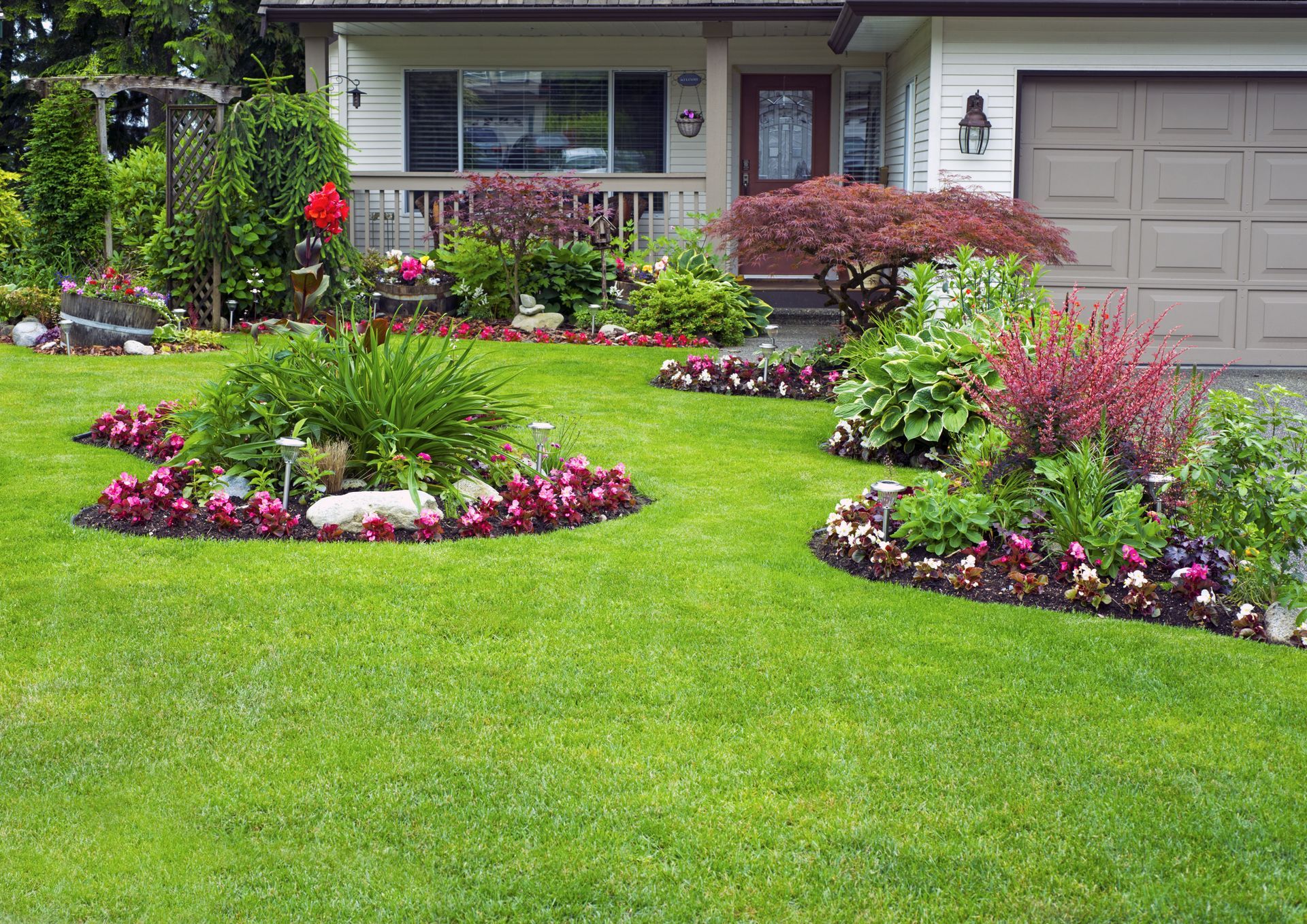
Plants that are suited to their surroundings can have an easier time establishing healthy root systems and maintaining consistent growth. Strong roots allow plants to access available water and nutrients while providing support during periods of environmental stress. Native and regionally appropriate plants may also be better prepared for the seasonal conditions they regularly encounter. This does not mean every local plant will thrive in every location, since individual species still have specific requirements. Proper spacing, sunlight, soil preparation, and watering remain important parts of successful planting. Homeowners should also avoid overcrowding plants because competition for resources can weaken otherwise healthy vegetation. Landscape designers can arrange plants according to their mature sizes and growing requirements. Thoughtful placement allows each plant to contribute to the overall landscape without competing unnecessarily with its neighbors.
Support Beneficial Wildlife
A yard filled with local plants can provide valuable resources for birds, butterflies, bees, and other wildlife. Many native insects depend on specific plant species for food, shelter, or reproduction. Flowers can provide nectar, while shrubs and trees can offer nesting locations and protection from weather. Fruits, seeds, and foliage may also become food sources for different types of wildlife throughout the year. Creating these resources can turn an ordinary yard into a more active and interesting outdoor environment. Homeowners can select a mixture of flowering plants, shrubs, grasses, and trees to provide benefits across multiple seasons. Landscape designers can help combine different plant types so the yard supports wildlife without sacrificing visual appeal. A thoughtful planting plan can therefore make the landscape more useful for both homeowners and the creatures that share the environment.
Reduce Unnecessary Maintenance
Choosing plants that naturally fit the local environment can make certain maintenance tasks easier. Plants that are adapted to regional conditions may require less intervention to handle normal temperature and moisture changes. This can be especially helpful for homeowners who want an attractive yard without spending every weekend performing intensive maintenance. However, even low-maintenance plants still need appropriate watering, pruning, and occasional care. Selecting the right plant for the right location is one of the most effective ways to prevent avoidable problems. Plants that are constantly struggling because of unsuitable conditions may require additional attention and replacement. Landscape designers can help identify species that match the amount of maintenance a homeowner is realistically prepared to provide. Building the landscape around those expectations can create a yard that is easier to manage throughout the year.
Improve Soil and Water Management
Local plants can also contribute to a landscape's overall relationship with soil and water. Many established native species have root systems that interact effectively with regional soil conditions. Their roots can help hold soil in place and reduce erosion in appropriate planting areas. Planting strategically can also help manage rainwater by allowing vegetation and soil to absorb moisture rather than directing all runoff toward hard surfaces. Different plants can be selected for areas that remain relatively dry as well as locations that collect more moisture. Proper drainage should still be considered because no plant can compensate for consistently unsuitable soil conditions. Landscape designers can incorporate plants into a broader plan that considers grading, drainage, and water movement across the property. Combining suitable vegetation with good site planning can improve the function of the yard while maintaining an attractive appearance.
Create Seasonal Interest
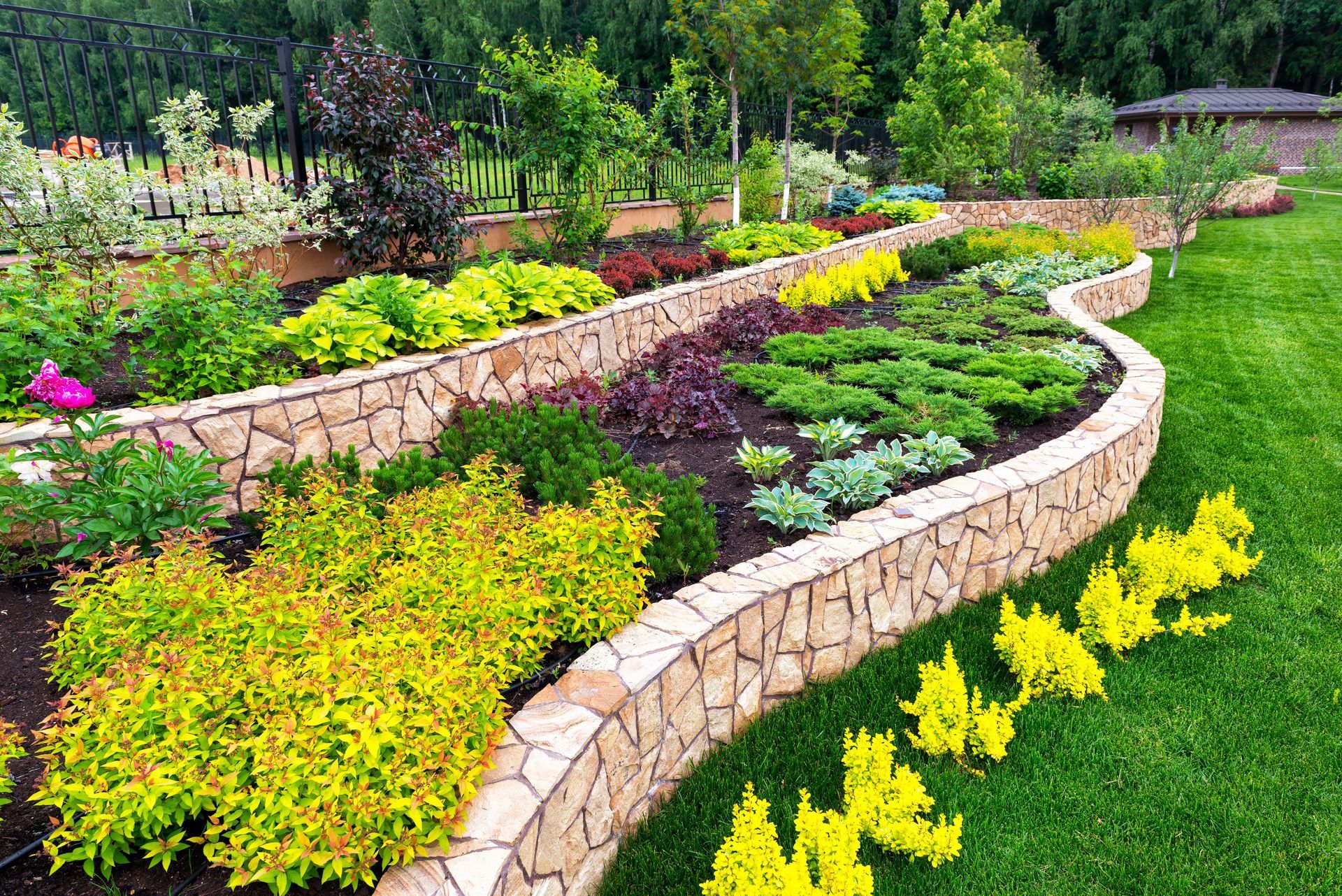
A successful landscape should remain visually appealing throughout more than one season. Local plants can provide changing colors, textures, flowers, fruits, and foliage as the year progresses. Some species may offer spring blooms, while others provide summer flowers or attractive autumn foliage. Evergreen plants can contribute structure during seasons when deciduous vegetation loses its leaves. Combining plants with different growth cycles can prevent the yard from looking empty during certain portions of the year. Homeowners should consider how mature plants will look together rather than focusing only on their appearance when first installed. Landscape designers can create planting combinations that provide variety while maintaining a balanced overall composition. Seasonal planning allows the yard to remain interesting and inviting as conditions change.
Maintain Plants With Careful Pruning
Even well-selected plants need proper pruning to remain healthy and maintain their intended shape. Removing damaged, dead, or overcrowded growth can improve appearance and allow healthier portions of the plant to develop. However, excessive pruning can create unnecessary stress and may negatively affect the plant's structure. According to This Old House, homeowners should avoid removing more than one-third of a shrub's live growth during a single growing season. This guideline demonstrates why pruning should be approached gradually instead of removing large amounts of vegetation at once. The appropriate pruning method can also vary based on the plant's species, age, condition, and growth pattern. Landscape designers can incorporate plants that fit the property's maintenance requirements and help homeowners understand how those plants should be cared for. Regular but measured maintenance can keep vegetation attractive without compromising its long-term health.
Protect the Yard From Invasive Species
Plant selection should include consideration of whether a species could become problematic in the local environment. Some plants can spread aggressively when placed outside their natural range and may compete with other vegetation. Invasive plants can eventually take over planting areas, reduce biodiversity, and create additional maintenance challenges. Homeowners should research plants before introducing them to their yards, particularly when considering species that spread quickly. Local garden centers, extension resources, and landscape professionals can provide useful information about suitable choices. Selecting plants that coexist well with the surrounding environment can reduce the likelihood of creating future problems. Landscape designers can help homeowners develop planting plans that prioritize appropriate species and responsible placement. This makes plant selection an important part of protecting the health and balance of the entire landscape.
A thoughtful approach can also reduce unnecessary maintenance and create visual interest throughout the changing seasons. Homeowners do not have to plan every detail alone when professional guidance is available. TMF Landscape Design can help develop outdoor spaces that combine attractive plant selections with practical landscape planning. The team can consider the property's conditions, design goals, and maintenance expectations when developing a landscape that fits the space. Professional landscape designers can also help ensure that plants are positioned for healthy growth and long-term visual balance. Contact us today to begin creating a beautiful, functional yard built around thoughtful plant selection and professional landscape design.