May 4, 2026
Outdoor environments play a major role in how residential and commercial properties are experienced, valued, and enjoyed. From curb appeal to functional outdoor living areas, landscaping is far more than simple yard maintenance. It is a blend of design, horticulture, engineering, and long-term property care that shapes how spaces look and function throughout the year. Many property owners rely on local landscapers to bring structure, beauty, and sustainability to their outdoor environments, ensuring that every detail works together cohesively.
According to the National Association of Landscape Professionals, the U.S. landscaping services market reached $188.8 billion in 2025, growing 4.8% from 2024. This growth reflects a rising demand for professional outdoor services as homeowners and businesses continue investing in exterior improvements that enhance both usability and long-term value.
Understanding what professional landscaping services include can help property owners make informed decisions about maintaining and improving their outdoor spaces. Below is a detailed breakdown of the essential services offered and how they contribute to healthier, more attractive landscapes.
Enhancing Outdoor Living Spaces With Professional Design
One of the most important roles of local landscapers is creating outdoor environments that extend living spaces beyond interior walls. This includes planning layouts that integrate seating areas, walkways, garden features, and natural elements in a cohesive way. Thoughtful design ensures that every part of the yard serves a purpose, whether for relaxation, entertainment, or visual appeal.
Professional design begins with understanding the property’s natural conditions, including sunlight exposure, soil quality, and drainage patterns. From there, local landscapers develop plans that balance aesthetics with functionality. This process often involves selecting plants that thrive in the local climate, arranging focal points such as trees or water features, and ensuring that movement through the space feels natural and intuitive.
By carefully blending creativity and environmental awareness, designers transform ordinary yards into personalized outdoor retreats. The goal is not just beauty, but also long-term sustainability and ease of maintenance.
Designing Functional and Sustainable Landscapes
Sustainability has become a major focus in modern landscaping practices. Local landscapers increasingly prioritize eco-friendly solutions that reduce water consumption, improve soil health, and support local ecosystems. This includes selecting native plants, implementing efficient irrigation strategies, and designing landscapes that require fewer chemical treatments.
Functional design also considers how people interact with outdoor spaces. Paths, patios, and garden zones are strategically placed to support daily use while minimizing wear on natural areas. Drainage solutions are incorporated to prevent erosion and water pooling, protecting both plant life and structural elements.
In addition, sustainable landscaping often integrates shading strategies and wind protection through strategic plant placement. These elements contribute to energy efficiency by reducing heat around buildings and improving comfort in outdoor areas.
By combining environmental responsibility with practical design, local landscapers help property owners create outdoor spaces that are both beautiful and resilient over time.
Maintaining Healthy Lawns And Garden Systems
Ongoing maintenance is essential for preserving the health and appearance of any landscape. Without proper care, even the most well-designed outdoor spaces can quickly lose their structure and vibrancy. This is why many property owners depend on local landscapers for consistent upkeep.
Maintenance services typically include lawn care, pruning, fertilization, weed management, and seasonal planting adjustments. These tasks ensure that plants receive the nutrients and care they need to thrive throughout changing weather conditions.
Healthy soil is a key focus in maintenance routines. Proper aeration and nutrient management allow grass and plants to develop strong root systems, which improve resilience against pests and environmental stress. Regular trimming and shaping also help maintain clean lines and prevent overgrowth from disrupting the landscape’s design.
When performed consistently, maintenance not only preserves visual appeal but also extends the lifespan of all landscape elements.
Installing Hardscape And Structural Elements
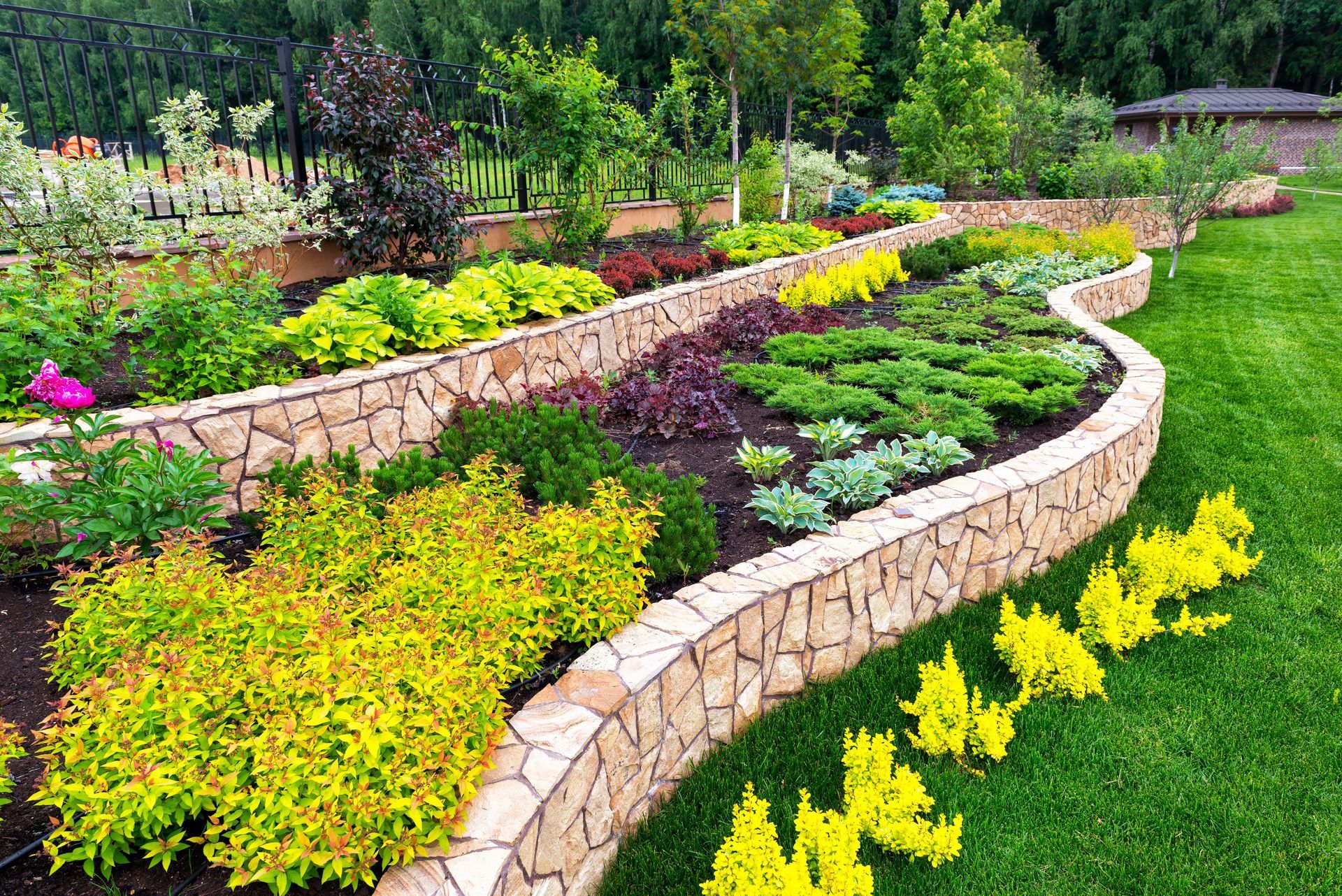
Hardscaping plays a crucial role in defining outdoor spaces and adding functionality beyond natural elements. This includes the installation of patios, retaining walls, walkways, fire pits, seating areas, and decorative stonework. These features provide structure and usability, transforming open yards into organized and practical environments.
Local landscapers carefully design and install hardscape features to ensure durability and visual harmony with surrounding greenery. Material selection is particularly important, as it affects both appearance and long-term performance. Stone, brick, and concrete are commonly used to create strong and attractive structures that withstand weather and regular use.
Proper installation also involves ensuring stability and drainage. Without these considerations, hardscape features can shift, crack, or deteriorate over time. Skilled professionals integrate these elements seamlessly into the overall landscape design, creating outdoor areas that are both functional and visually appealing.
Through thoughtful installation, hardscape becomes the foundation of outdoor living spaces, supporting everything from social gatherings to quiet relaxation.
Managing Irrigation And Seasonal Care Needs
Water management is one of the most critical aspects of landscape health. Efficient irrigation systems ensure that plants receive the right amount of water without waste or overuse. Local landscapers design and maintain irrigation systems that distribute water evenly and adapt to seasonal changes.
Proper irrigation planning takes into account soil type, plant variety, and environmental conditions. Drip systems and automated sprinklers are often used to optimize water distribution while minimizing runoff. These systems help conserve resources while ensuring consistent plant health.
Seasonal care is equally important. As weather patterns shift throughout the year, landscapes require adjustments in watering schedules, fertilization routines, and plant protection strategies. Mulching, for example, helps regulate soil temperature and retain moisture during warmer periods, while protective measures safeguard plants during cooler conditions.
With professional oversight, irrigation and seasonal care systems work together to maintain balance and prevent stress on the landscape.
Transforming Properties Through Ongoing Landscape Care
Long-term transformation of outdoor spaces requires more than initial design and installation. It involves continuous improvement and adaptation to changing property needs, environmental conditions, and aesthetic preferences. This is where local landscapers play an ongoing role in shaping and refining outdoor environments.
Regular assessments allow professionals to identify areas that need enhancement, whether through plant replacement, redesign, or structural updates. Over time, landscapes evolve into more refined and cohesive spaces that reflect both natural growth and intentional design improvements.
This process also includes updating design elements to keep properties modern and functional. As outdoor living trends shift, landscaping professionals introduce new features and materials that enhance usability and visual appeal.
For many property owners, partnering with local landscapers ensures that their outdoor spaces remain dynamic and well-maintained throughout the years. This ongoing care helps preserve property value while continuously improving the space's experience.
In addition to aesthetic improvements, professional landscaping services contribute to environmental health, water conservation, and community beautification. These benefits extend beyond individual properties, creating greener and more livable neighborhoods overall.
Whether it is through design, maintenance, or long-term care, landscaping professionals provide essential services that shape how outdoor spaces are experienced and enjoyed.
Landscaping is a multifaceted discipline that combines creativity, technical knowledge, and environmental stewardship. From initial design concepts to long-term maintenance, each service plays a role in building and preserving outdoor spaces that are both functional and visually appealing. The growing demand for professional landscaping reflects the increasing value property owners place on well-designed exterior environments.
By understanding the full range of services available, it becomes easier to appreciate the expertise required to maintain healthy, attractive landscapes year-round.
At TMF Landscape Design, we believe every outdoor space has the potential to become something exceptional. Our team is dedicated to delivering thoughtful design, reliable maintenance, and high-quality landscape solutions that bring lasting value to your property.